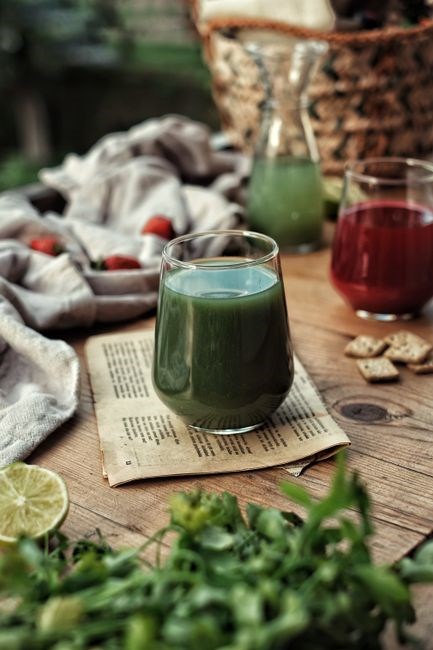
Discover how a beginner’s PDF guide simplifies juicing: clear steps, equipment tips, ingredient lists, and safety notes․ It explains why fresh, vegetable‑rich juices boost energy, aid digestion, and support balanced nutrition—all in an easy‑to‑follow format․ It also includes a printable checklist you․!!
Purpose and Benefits of the PDF Guide
The PDF guide is designed for newcomers to juicing, offering a clear, step‑by‑step roadmap that demystifies the process․ process․ It starts with a concise overview of why fresh, vegetable‑rich juices are a powerful ally for daily vitality, supporting digestion, hydration, and a steady release of vitamins and minerals․ The guide explains how to choose the right equipment for your kitchen, breaking down the differences between models and highlighting key features that affect flavor, yield, and ease of cleaning․ Ingredient sections provide a curated list of beginner‑friendly produce, complete with nutrient profiles and pairing suggestions that maximize flavor while keeping sugar levels low․ Portion control is addressed through practical guidelines that help you balance calorie intake without sacrificing essential nutrients․ A printable checklist is included to keep you organized, ensuring you track ingredients, prep steps, and cleaning routines․ Safety notes cover common allergens, proper handling of produce, and thorough cleaning practices to prevent contamination․ Overall, the PDF empowers you to start juicing confidently, build healthy habits, and enjoy the immediate benefits of increased energy and improved digestion․
Additional insights highlight how the guide encourages eating with produce, offers troubleshooting tips for common juicing mishaps․ By integrating these practices, beginners can establish a sustainable routine that nurtures both body and mind․ Readers will also find a quick reference chart for nutrient timing․more
Getting Started with Juicing
Begin your juicing journey with our PDF guide, which outlines essential steps: selecting produce, choosing a juicer, preparing ingredients, and cleaning equipment․ It highlights safety tips, portion control, and how to integrate juices into balanced meals for energy and wellness․ Start today, feel the change!now
Choosing the Right Juicer for Your Needs
When selecting a juicer, consider your goals, budget, and kitchen space․ The PDF guide explains three main types: centrifugal, masticating, and twin‑gear․ Centrifugal models spin at high speed, ideal for quick green juices but can heat the liquid․ Masticating juicers operate slowly, preserving enzymes and yielding higher juice volume․ Twin‑gear machines combine the best of both, offering maximum extraction and minimal oxidation․
Key factors include:
- Speed and motor power: A 600‑W motor is sufficient for most fruits, while 1200‑W models handle leafy greens and root vegetables․
- Noise level: Centrifugal units can reach 90 dB; masticating models stay under 70 dB, making them suitable for early mornings․
- Ease of cleaning: Look for dishwasher‑safe parts and a low‑profile chute to reduce residue․
- Price range: Entry‑level units start around $100, mid‑range around $250, and premium models exceed $500․
- Warranty and support: A 2‑year warranty and responsive customer service add peace of mind․
Use the PDF’s comparison chart to match your lifestyle: quick breakfasts, weekend detoxes, or daily meal prep․ Remember, the best juicer is one that fits your routine and encourages consistent use․
Tip: Store leftover juice in a sealed glass container and refrigerate; Consume within 24 hours to preserve nutrients․ Rotate daily blades to maintain efficiency, keep machine dry when not in use to prevent rust!․
Essential Ingredients for a Beginner’s Juicing PDF
Beginner’s juicing thrives on a balanced palette: leafy greens (kale, spinach), crisp veggies (cucumber, celery), citrus bursts (lemon, lime), sweet fruit (apple, pineapple), and a touch of ginger or turmeric for zing․ Pair with protein‑rich add‑ons like chia or hemp seeds for fullness․ Add water, stay․ Keep․!!
Vegetables and Fruits: Best Selections and Nutrient Profiles
For a beginner’s juicing PDF, the foundation lies in choosing produce that delivers maximum nutrition while keeping the juice palatable․ Leafy greens such as kale, spinach, and Swiss chard provide iron, calcium, and high levels of vitamin K, while also offering a mild flavor that blends well with sweeter fruits․
Citrus fruits—lemon, lime, and orange—inject vitamin C and a bright acidity that balances the bitterness of greens․ Apples and pears contribute soluble fiber and natural sugars, moderating the glycemic load when paired with leafy greens․
Root vegetables like carrots and beets add natural sweetness and are rich in beta‑carotene and folate, supporting vision and cell repair․
For a nutrient punch, incorporate herbs and spices: parsley, cilantro, and ginger add antioxidants and anti‑inflammatory compounds․ A splash of turmeric and a pinch of sea salt restores electrolytes, especially after a day of exercise․
Each ingredient can be quantified in the PDF’s “Ingredient Profile” table, showing calories, vitamins, and minerals per 100 ml of juice․
Remember, the goal is a balanced ratio: 60‑70 % greens, 20‑30 % vegetables, 10‑15 % fruits, and a dash of herbs․ This ratio ensures a low‑calorie, high‑fiber base that satisfies cravings without excess sugar․
The PDF also recommends seasonal choices to maximize freshness and cost‑effectiveness, ensuring you stay within budget while enjoying a colorful variety of juices․
Use a reusable straw or glass bottle to keep the juice on the go and remember to consume within 24 hours for maximum nutrient retention․
Understanding Juicing Techniques
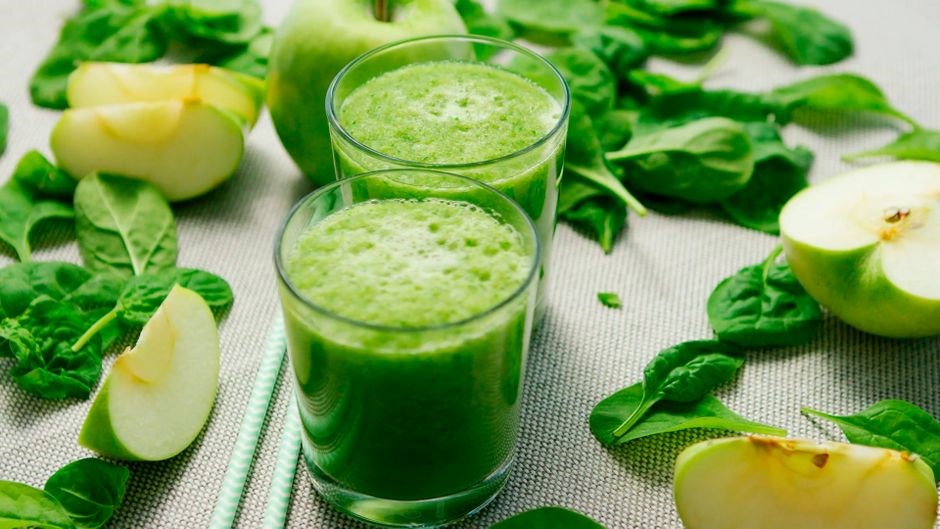
Explore two main juicing methods: cold‑pressed, which retains heat‑stable nutrients and enzymes, and centrifugal, which uses high speed to separate juice quickly․ The PDF explains how each technique affects flavor, texture, and nutrient density, helping beginners choose the right tool․ Choose wisely․ now
Cold-Pressed vs․ Centrifugal Juicing Explained
Cold‑pressed juicers operate at low speeds, using a hydraulic press to squeeze juice from fruits and vegetables․ This method preserves heat‑sensitive vitamins, enzymes, and antioxidants, resulting in a richer, more nutrient‑dense liquid․ The process also removes insoluble fiber, allowing rapid absorption while keeping the juice clear and smooth․ In contrast, centrifugal juicers spin at high RPMs, forcing produce through a fine mesh․ The resulting friction generates heat, which can degrade some heat‑labile nutrients and reduce enzyme activity․ Centrifugal juice tends to be slightly cloudier, contains more pulp residue, and may have a shorter shelf life due to faster oxidation․ For beginners, the choice depends on budget, desired juice quality, and how quickly you want to consume the juice․ Cold‑pressed machines often cost more but deliver higher nutrient retention and a cleaner taste, while centrifugal models are more affordable and faster to use, making them suitable for quick, everyday drinks․ Both methods can be integrated into a balanced diet when paired with protein and fiber sources to maintain satiety and support overall health․ Readers should remember juicing complements a balanced diet, not replacing whole foods, proteins, or healthy fats․ By adding leafy greens, root veggies, and fruit, you can tailor flavor while ensuring a broad spectrum of vitamins, minerals, and phytonutrients that support cellular health and metabolism daily gain! Enjoy responsibly and seek a nutritionist for guidance․

Sample 7-Day Juicing Plan
A 7‑day plan offers 150‑250 ml daily green juices, rotating cucumber‑celery, beet‑carrot, spinach‑apple blends․ Each day limits sugar, adds protein snacks, and includes a rest day․ Portion control keeps calories low while delivering vitamins, minerals, and antioxidants․ Enjoy daily, stay hydrated․ track
Daily Juice Recipes and Portion Sizes
Day 1: Cucumber‑Celery‑Green Apple (150 ml) – 2 cucumbers, 3 celery stalks, 1 green apple, 1 cm ginger․ Blend until smooth, strain, serve chilled․ Portion: 150 ml, 50 kcal, 2 g protein, 10 g carbs․
Day 2: Beet‑Carrot‑Spinach (200 ml) – 1 beet, 2 carrots, 1 cup spinach, ½ lemon․ Juice, pour 200 ml, 80 kcal, 3 g protein, 15 g carbs․
Day 3: Kale‑Citrus‑Mint (150 ml) – 1 cup kale, 1 orange, 1 kiwi, handful mint․ 150 ml, 55 kcal, 2 g protein, 12 g carbs․
Day 4: Tomato‑Carrot‑Celery (200 ml) – 2 tomatoes, 2 carrots, 2 celery, ½ lime․ 200 ml, 70 kcal, 3 g protein, 14 g carbs․
Day 5: Green‑Power (250 ml) – 1 cucumber, 1 cup spinach, 1 green apple, 1 tsp spirulina․ 250 ml, 90 kcal, 4 g protein, 18 g carbs․
Day 6: Citrus‑Berry (150 ml) – 1 grapefruit, 1 cup strawberries, 1 tbsp chia․ 150 ml, 60 kcal, 2 g protein, 10 g carbs․
Day 7: Rest Day – Water or herbal tea․ No juice․
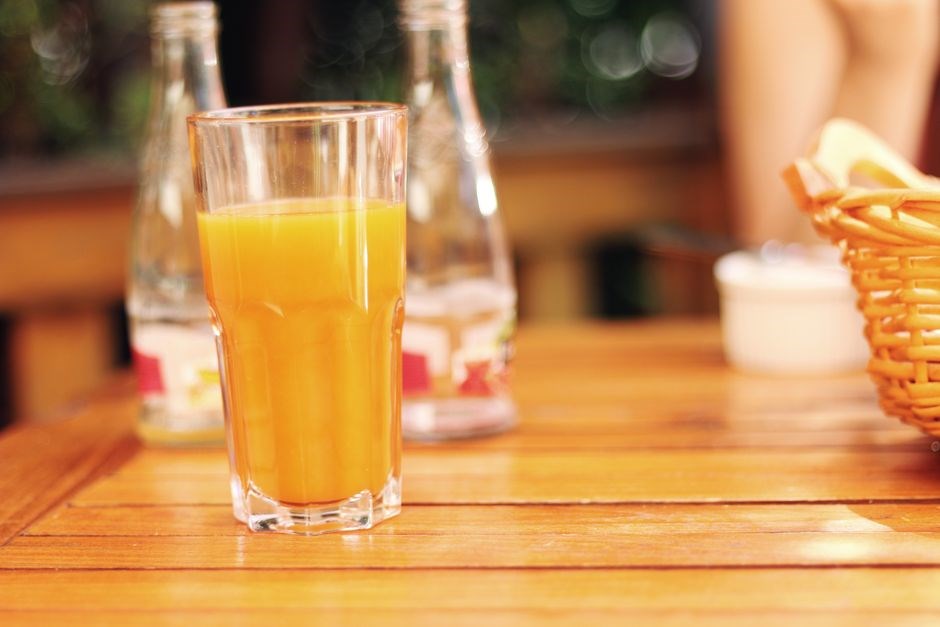
Each day keeps 150‑250 ml, balances micronutrients, and supports calorie control․ Use a cold‑pressed juicer for maximum nutrient retention․ Pair juices with protein‑rich snacks to avoid hunger spikes․
Remember to adjust portion sizes based on activity level, and keep a log of how you feel․ The PDF guide offers printable charts and tips for tracking progress, ensuring you stay on target while enjoying flavorful, nutrient‑dense juices․
For advanced beginners, experiment with adding a tablespoon of flaxseed or handful of nuts to increase satiety without adding excessive calories!

Health and Safety Considerations
Check for fruit allergies, wash produce, use clean utensils․ Store juices <4°C, consume within 24 h․ Disinfect juicer parts with hot soapy water, rinse, dry․ Avoid raw sugar‑rich blends if diabetic․ Consult a dietitian before major changes․ Keep the juicer dry to prevent mold․ Store leftovers seal jars
Allergies, Food Safety, and Proper Cleaning
Before you begin juicing, assess any food allergies․ Apples, citrus, and certain leafy greens can trigger reactions․ Test a small amount first and observe․ Wash all produce under running water, use a clean cutting board, and peel when necessary․ After juicing, rinse the machine’s parts with hot, soapy water, then rinse again with clean water․ Dry all components immediately to prevent mold․ Store juices in airtight containers in the fridge and consume within 24 hours․ If using a cold‑pressed juicer, the juice may have higher sugar levels; monitor intake if diabetic․ Keep a first‑aid kit nearby for accidental splashes or cuts․ Finally, consult a healthcare professional before major dietary changes, especially if you have chronic conditions or are pregnant․ This guide is general information only and does not replace professional medical advice․
When cleaning the juicer, disassemble all detachable parts and soak them in warm, soapy water for at least 10 minutes․ Use a soft brush to remove pulp residue from the chute and the juicer’s interior․ Rinse thoroughly with clean water and dry with a lint‑free towel․ Store the machine in a dry place to avoid mold․ For extra hygiene, wipe the juicer’s exterior with a mild disinfectant․ Keep a separate cutting board for raw produce to avoid cross‑contamination․ If you have a history of food allergies, label each ingredient and store them separately․ Finally, always read the manufacturer’s instructions for specific cleaning recommendations replace worn parts promptly to maintain optimal performance․

Weight Management and Juicing
Juicing supports weight management by replacing high‑calorie drinks with nutrient‑dense, low‑sugar options․ A balanced plan uses vegetable‑led juices, moderate portions (150‑250 ml), and adds protein and fiber to curb hunger and maintain calorie control․ It reduces cravings, aiding weight loss daily now
How Juicing Supports Calorie Reduction and Nutrient Intake
Juicing offers a strategic way to lower daily caloric intake while preserving essential micronutrients․ By replacing sugary beverages and high‑calorie snacks with vegetable‑led juices, users can cut 200–400 calories per day without feeling deprived․ The 150–250 ml serving size recommended in the London Juice Company guide ensures a nutrient‑dense snack that satisfies thirst and satiety․ Because most fruit juices contain natural sugars, a low‑sugar green base—cucumber, celery, spinach—provides vitamins, minerals, and antioxidants while keeping added sugar below 5 g per serving․ This balance helps maintain blood‑glucose stability and reduces insulin spikes that often lead to fat storage․ Moreover, the absence of insoluble fiber in pure juice can speed absorption of vitamins and minerals, giving a quick energy boost that supports an active lifestyle․ However, the lack of fiber also means the body’s satiety signals may return sooner, so pairing a juice with a protein or healthy fat source—such as a handful of nuts or a boiled egg—keeps hunger at bay and prevents overeating․ The guide emphasizes that juicing should complement, not replace, whole‑food meals․ By integrating a daily juice into a balanced diet, individuals can achieve a modest calorie deficit, improve nutrient intake, and support sustainable weight management over time․ Always consult a healthcare professional before starting any new dietary regimen, especially if you have medical conditions or are on medication․ This guide empowers beginners to enjoy flavorful juices daily safely

Resources and Further Reading
Explore more PDFs at London Juice Company and consult registered dietitians for personalized plans․ Online forums, YouTube tutorials, and university research articles deepen your juicing knowledge․ Learn more․ Visit us
Where to Find Additional PDFs and Expert Advice
For those eager to deepen their juicing knowledge, a wealth of free PDFs is available online․ The London Juice Company’s guide offers a downloadable PDF with low‑sugar recipes․ National health agencies publish PDFs covering nutrient extraction and juicing techniques․ Documents are available through the U․S․ National Institutes of Health and the World Health Organization․ Certified dietitians provide one‑on‑one consultations via telehealth․ They tailor plans to accommodate medical conditions, dietary restrictions․ Community forums offer peer support and recipe swaps․ Combining PDFs and expert consultations helps beginners build a robust, evidence‑based routine aligned with health goals․
You can also explore academic databases like PubMed for peer‑reviewed studies on juicing’s impact on metabolic health, and consult the American Journal of Clinical Nutrition for evidence‑based guidelines․ Many of these resources are downloadable as PDFs, ensuring you have access to up‑to‑date information․
To stay informed, subscribe to newsletters from reputable juicing organizations such as the International Juice Association and the American Nutrition Association․ These newsletters provide updates on new research, seasonal ingredient guides, and exclusive discount offers on juicing equipment․ Additionally, many local health food stores host in‑store workshops where you can taste different juicing styles and receive hands‑on instruction before committing to a specific routine now․
New to juicing? Start with cucumber‑celery‑apple to acclimate․ Add greens like spinach or kale․ OK!!