
Conflict in homes can erode trust‚ yet Scripture offers a path to restoration. By speaking with humility‚ listening earnestly‚ and seeking unity‚ believers can transform discord into deeper love. This guide emphasizes godly dialogue‚ forgiveness‚ and mutual submission as key to lasting peace for lasting harmony.!!

Key Themes in the PDF Guide
Central to the PDF are godly communication‚ humility‚ self‑lessness‚ submission‚ unity‚ love‚ and Christ‑likeness; It stresses listening‚ speaking truth‚ and seeking reconciliation‚ guiding families toward biblical harmony and spiritual growth through intentional‚ compassionate dialogue.Practice strengthens bonds.
Godly Communication for Resolving Conflict
When families face disagreement‚ Scripture directs believers to speak with grace‚ humility‚ and truth. The PDF highlights that our words can either doom or direct us; therefore‚ we must avoid adding or taking away‚ as warned in the teaching notes. By listening attentively‚ acknowledging each other’s feelings‚ and speaking in a tone that reflects Christ’s love‚ conflict can be turned into an opportunity for growth. The guide urges parents to model godly speech‚ using “I” statements‚ avoiding blame‚ and seeking mutual understanding. It also emphasizes the importance of timing—waiting for calm moments rather than heated exchanges. In practice‚ this means setting aside a few minutes each day to check in‚ expressing gratitude‚ and offering forgiveness when needed. The PDF reminds us that our tongues are powerful tools; they can either build bridges or erect walls. By choosing words that encourage‚ affirm‚ and invite reconciliation‚ we align our communication with biblical principles. The result is a stronger‚ more intimate relationship that reflects the unity Christ desires for the church. Families who practice godly communication experience less resentment‚ increased trust‚ and a deeper sense of shared purpose. Ultimately‚ the PDF calls believers to pursue peace‚ not merely to avoid conflict‚ but to transform it into a testament of God’s grace and love within the home.
Purpose of Conflict to Produce Humility‚ Selflessness‚ Submission‚ Unity‚ Love‚ and Christ-Likeness
In the biblical framework‚ conflict is not merely a negative event but a tool that‚ when handled with godly intent‚ cultivates essential virtues. The PDF notes that God permits friction to reveal hidden pride‚ encouraging believers to confront their own ego before addressing others. By acknowledging personal shortcomings‚ individuals learn humility‚ recognizing that all gifts come from the same source. Self‑lessness emerges as people shift focus from personal gain to the well‑being of their spouse‚ children‚ and community. This shift is rooted in the command to love as Christ did‚ demanding sacrifice for others. Submission‚ a cornerstone of biblical marriage‚ is practiced when partners willingly yield to one another’s needs‚ trusting that God orchestrates the best outcome. Unity is the natural result of this mutual surrender‚ as each party aligns their agenda with the common good; Love‚ the highest virtue‚ is the glue that holds these qualities together‚ preventing discord. Ultimately‚ the purpose of conflict is to shape believers into Christ‑likeness‚ reflecting humility‚ self‑lessness‚ submission‚ unity‚ and love that define the Savior’s character. When couples navigate disagreements with this mindset‚ they transform tension into testimony‚ illustrating the transformative power of grace within the family sphere.
Love holds qualities‚ preventing discord.
By embracing steps‚ families heal wounds‚ build resilience‚ echo God’s love‚ guiding toward unity.!!

Common Sources of Relational Conflict
Relational strife often stems from three core roots: personal differences that spark misunderstandings‚ preference clashes that trigger resentment‚ and offense or physical/verbal conflict that inflames hearts. Recognizing these triggers is the first step toward godly resolution and healing for lasting peace. daily.
Personal Differences
When partners holdor life rhythms‚ friction can arise. Scripture reminds us that each person is uniquely fashioned (Genesis 1:27) and that diversity can be a gift when approached with grace. Conflict over differing viewpoints—such as how to spend time‚ manage finances‚ or raise children—often feels like a battle of wills. Yet the Bible offers a framework for navigating these tensions: first‚ pause and pray for humility‚ then seek to understand the other’s perspective without judgment. By listening attentively‚ we honor the Holy Spirit’s guidance and demonstrate Christ’s love. Next‚ express our own needs clearly‚ using “I” statements that avoid blame. This reduces defensiveness and invites collaboration. Finally‚ agree on shared goals and practical steps‚ always anchoring decisions in biblical principles like mutual submission (Ephesians 5:21) and love (1 Corinthians 13). Through intentional communication‚ couples can transform personal differences into opportunities for growth‚ deeper intimacy‚ and a testimony of God’s grace in everyday life. In practice‚ couples should schedule regular check‑ins‚ using a calm tone and a shared agenda. During these moments‚ each person states one positive observation and one area for growth‚ framing requests as invitations rather than demands. This practice models humility‚ encourages mutual accountability‚ and keeps the focus on building a Christ‑centered partnership that reflects God’s love in everyday interactions. By committing to this rhythm‚ couples honor God’s design for unity‚ turning conflict into growth.

Preference Issues
When couples face preference issues—whether about meal choices‚ leisure activities‚ or household chores—conflict can surface quickly. Scripture reminds us that each person is created with distinct gifts and desires (1 Corinthians 12:4‑6). The key is to honor those differences while seeking unity. Begin by acknowledging the other’s preference‚ saying something like‚ “I hear that you prefer X‚ and I understand why.” This shows respect and invites dialogue. Next‚ share your own preference calmly‚ using “I feel” statements that avoid blame. By framing preferences as personal needs rather than demands‚ you reduce defensiveness. Then‚ invite the Holy Spirit to guide the conversation‚ asking for wisdom (James 1:5). After prayer‚ brainstorm solutions that honor both sides—perhaps a rotating schedule or a compromise that satisfies the core of each preference. If a compromise seems impossible‚ remember the biblical principle of mutual submission (Ephesians 5:21). Offer to give up a preference for the sake of the other’s peace‚ demonstrating Christ’s love in action. Finally‚ commit to a follow‑up check‑in‚ evaluating how the compromise is working and adjusting as needed. This process turns preference conflicts into opportunities for growth‚ deeper intimacy‚ and a living testimony of God’s grace in everyday decisions. In practice‚ couples can create a preference chart‚ listing each area and noting who prefers what. This visual tool helps prevent misunderstandings and encourages compromise. When a decision stalls‚ they may use the principle of “first love” (1 John 4:19) to prioritize the relationship over personal preference. By consistently applying these steps‚ the couple demonstrates a Christ‑centered approach that honors God’s design for harmonious living. This intentional practice fosters mutual respect.
Offense and Physical/Verbal Conflict
When hurt words or actions arise‚ the first biblical response is to seek restoration‚ not retaliation. Scripture calls believers to “be quick to hear‚ slow to speak‚ slow to anger” (James 1:19). In practice‚ pause‚ breathe‚ and pray for the Spirit to soften hearts. Then‚ address the offense directly but lovingly: “I felt hurt when you said X” rather than “You always do X.” This “I” language keeps the focus on feelings‚ not accusations. Next‚ offer a sincere apology if you contributed to the hurt‚ and ask for forgiveness. Remember that forgiveness is a command (Ephesians 4:32) and a gift that frees both parties. If physical aggression is involved‚ seek safety first—remove yourself from the situation‚ call for help if needed‚ and involve a trusted mediator. After the immediate danger passes‚ engage in a calm conversation guided by the principle of mutual submission (Ephesians 5:21). Each person should listen without interrupting‚ then share their perspective. The goal is not to win but to understand and heal. Following the conversation‚ commit to a concrete step: perhaps setting boundaries‚ attending counseling‚ or practicing daily gratitude. Finally‚ close with prayer‚ asking God to mend the brokenness and to fill the relationship with His peace (Philippians 4:7). By following these steps‚ couples transform offense into an opportunity for deeper love and Christ‑likeness‚ reflecting the grace that God extends to all. In addition‚ practicing forgiveness daily strengthens the marital bond‚ as each act of grace rewrites the relationship’s narrative. Couples should set aside weekly time to reflect on growth‚ celebrate victories‚ and acknowledge areas needing improvement for the family.

Fundamental Biblical Principles

Rooted in Scripture‚ these principles guide believers toward harmonious living. Humility‚ selflessness‚ submission‚ unity‚ love‚ and Christ‑likeness are the pillars. By applying them‚ couples transform conflict into growth‚ fostering deeper intimacy and reflecting God’s grace
Together‚ they forge trust‚ guiding each step
Humility and Selflessness
In the heart of biblical conflict resolution lies the twin virtues of humility and self‑lessness. Scripture repeatedly reminds us that “Our tongues can doom us” (cf. 3:1‑2)‚ urging believers to speak with restraint‚ avoiding judgmental or harsh words that deepen division. By recognizing that our words shape reality‚ we learn to use them to direct peace rather than to create further strife.
Humility begins with acknowledging our own faults before pointing out those of others. This posture invites open dialogue‚ allowing each party to feel heard and respected. When humility is paired with self‑lessness—placing the needs of the other above our own—it becomes a powerful antidote to ego‑driven conflict. The Apostle Paul exhorts us to “be humble‚ gentle‚ patient‚ bearing with one another in love” (Eph. 4:2‑3)‚ a call that transcends mere politeness and demands genuine sacrifice.
Practical steps for cultivating these traits include:
- Active Listening: Pause before responding‚ ensuring you truly understand the other’s perspective.
- Admitting Mistakes: Own your part in the disagreement‚ fostering mutual accountability.
- Offering Forgiveness: Release resentment‚ allowing reconciliation to take root.
- Seeking Mutual Benefit: Aim for solutions that honor both parties‚ not just your own agenda.
When humility and self‑lessness guide our interactions‚ conflicts transform from destructive battles into opportunities for growth. By aligning our words with God’s wisdom—“do not add or take away” (cf. 3:1‑2)—we create a foundation where love‚ unity‚ and Christ‑likeness flourish‚ turning everyday disagreements into stepping stones toward deeper relational intimacy.

Submission and Unity
Submission is the voluntary surrender of personal will to the divine will‚ a cornerstone of biblical conflict resolution. By following the principle that “Our tongues can doom us” (cf. 3:1‑2)‚ believers learn to speak with restraint‚ avoiding judgmental language that deepens division. When we submit to God’s guidance‚ we align our words and actions with His wisdom‚ allowing conflict to be redirected toward reconciliation.
Unity emerges when each party willingly yields‚ recognizing that the collective well‑being outweighs individual pride. The biblical mandate to “be humble‚ gentle‚ patient” (Eph. 4:2‑3) underscores the importance of mutual submission. By placing the needs of others above our own‚ we foster an environment where differences are addressed constructively.
Practical steps to cultivate submission and unity include:
- Active Listening: Hear the other’s concerns without interrupting.
- Admitting Faults: Acknowledge personal errors to build trust.
- Seeking Common Ground: Identify shared goals to guide resolution.
- Offering Forgiveness: Release grudges to restore harmony.
Through disciplined submission‚ we create a shared vision of peace‚ echoing the call that our tongues should direct rather than doom‚ thereby turning conflict into a catalyst for deeper relational intimacy and Christ‑likeness.
By embracing submission‚ we echo Christ’s own humility‚ creating a home where love‚ unity‚ and peace flourish‚ and conflict becomes a pathway to deeper spiritual growth.

Remember that true unity is not merely the absence of conflict but the presence of shared purpose‚ guided by God’s love.
Love and Christ‑Likeness
Love is the divine thread that weaves through every step of biblical conflict resolution. When believers approach disagreement with a heart that mirrors Christ’s sacrificial love‚ the process transforms from a struggle into a testimony of grace. The guide stresses that conflict is not condemned but is “purposed by God to produce humility‚ selflessness‚ submission‚ unity‚ love‚ and ultimately Christ‑likeness.” By allowing the Holy Spirit to guide our tongues—“do not add or take away” (cf. 3:1‑2)—we ensure that words are directed toward healing rather than harm.
Christ‑likeness is cultivated through intentional acts of compassion‚ humility‚ and forgiveness. The text reminds us that “our tongues can doom us” if we speak rashly‚ yet they can also “direct us” toward reconciliation when used wisely. Practicing love means listening first‚ validating feelings‚ and offering grace even when the other party resists. This pattern echoes Jesus’ ministry‚ where He met conflict with patience‚ restored relationships‚ and modeled unconditional love.
In practical terms‚ the PDF outlines steps such as: 1. Pause before speaking; 2. Speak truth in love; 3. Seek mutual restoration; 4. Pray for the other’s heart; 5. Commit to ongoing reconciliation. Each step is rooted in Scripture and designed to bring parties closer to the love that Christ exemplified on the cross. By internalizing these practices‚ believers become agents of divine love‚ turning everyday disputes into opportunities for Christ‑like transformation.
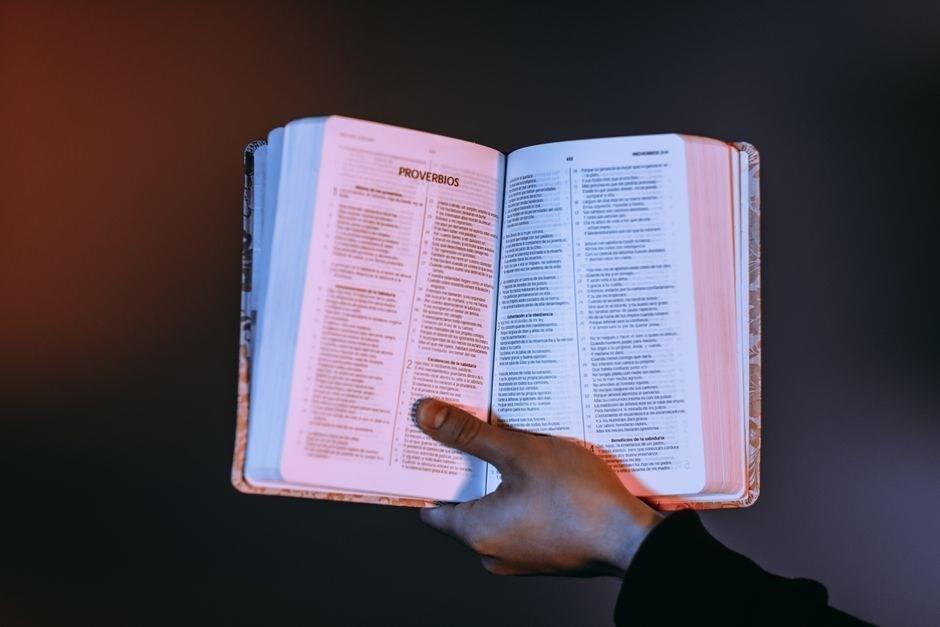
Practical Steps from Session-7-The-Fundamental-Guide-for-Conflict-Resolution-Teacher-Notes.pdf
Identify the Root: Begin by discerning whether the conflict stems from personal differences‚ preference issues‚ or offense. A clear diagnosis guides the next steps.

Speak with Humility: Use the Scripture principle “do not add or take away” (cf. 3:1‑2). Speak truth in love‚ keeping tone gentle and intent restorative.
Listen Actively: Give the other person full attention‚ repeat what you hear to confirm understanding‚ and avoid interrupting while they speak.
Pray for Guidance: Invite the Holy Spirit to reveal the right words and to soften hearts on both sides.
Offer Forgiveness: Acknowledge any hurt you caused and ask for forgiveness; extend forgiveness to the other party‚ mirroring Christ’s grace.
Seek Mutual Agreement: Propose a solution that honors both parties’ needs‚ ensuring it aligns with biblical principles of unity and love.
Commit to Follow‑Up: Schedule a follow‑up conversation to review progress‚ celebrate victories‚ and address any lingering concerns.
Maintain Accountability: Check in regularly‚ celebrate progress‚ and address any lingering issues promptly‚ reinforcing the commitment to a Christ‑centered relationship.