Embarking on a Nissan Altima manual transmission swap offers a rewarding driving experience, transforming the vehicle with enhanced control and driver engagement.
Overview of the Swap
The Nissan Altima manual transmission swap involves replacing the existing automatic transmission with a manual one, fundamentally altering the car’s operation. This isn’t a simple bolt-on procedure; it’s a comprehensive conversion demanding significant mechanical skill and attention to detail. Expect to address not only the transmission itself, but also the associated components like the axles, ECU, engine and body harnesses, clutch, flywheel, and pedal assembly.
Successfully completing this swap results in a more engaging and connected driving experience, offering greater control over gear selection and engine RPM. However, it’s a project best undertaken by those comfortable with automotive wiring and mechanical work.
Why Choose a Manual Transmission?
Opting for a manual transmission in your Nissan Altima delivers a more direct and engaging driving experience, appealing to enthusiasts who prefer greater control. Manual transmissions allow for precise gear selection, enhancing responsiveness and fostering a stronger connection between driver and machine. Beyond the driving feel, a manual swap can potentially improve fuel efficiency, depending on driving habits.
Many drivers simply enjoy the involvement and satisfaction of operating a manual gearbox. It transforms the Altima from a comfortable daily driver into a more spirited and rewarding vehicle to operate, offering a unique driving dynamic.
Compatibility and Parts List
Successful Altima manual swaps require sourcing specific components, varying by generation, including the transaxle, axles, ECU, harnesses, and clutch assembly for proper fitment.
Compatible Altima Generations (1993-2012)
The feasibility of a manual transmission swap within the Nissan Altima lineage spans several generations, primarily focusing on models produced between 1993 and 2012. Early Altima models (1993-1997) present a relatively straightforward swap, benefiting from readily available parts and established documentation within enthusiast communities. Later generations, particularly those from 2007-2012, require careful consideration, as the 3.5 SE and SR models offered a manual option, simplifying component sourcing.
However, swapping into models originally equipped with automatic or CVT transmissions necessitates a more comprehensive parts list and potentially more complex wiring modifications. Compatibility isn’t universal; specific sub-models and engine configurations influence the ease and success of the conversion. Thorough research based on your Altima’s year and original transmission is crucial before commencing the project.
Essential Parts for the Swap
A successful Nissan Altima manual transmission swap demands a comprehensive collection of components beyond just the transmission itself. Core necessities include a compatible manual transaxle, matching MT axles (often a significant expense), and the corresponding MT ECU for proper engine management. Crucially, you’ll need the MT engine harness, main body harness (including the fuse box), and dash harness to integrate the manual system.
Don’t overlook the clutch and flywheel assembly, a manual starter, and potentially an MT ABS control unit. Interior modifications require a gear linkage/shifter, a new center console, and a stop lamp/safety start switch. Finally, a suitable MT transmission mount, clutch pedal assembly, and master cylinder (with drilling template) are vital for a complete conversion.
Manual Transaxle
The manual transaxle is, naturally, the centerpiece of this conversion. Sourcing a compatible unit is paramount; options often include those from Altima Coupe models, particularly the 3.5 SE or SR (though the latter wasn’t officially designated “SE-R”). Ensuring the transaxle’s condition is excellent is crucial, as rebuilding can add significant cost and complexity.

Bolt patterns should align with the Altima’s front end, simplifying mounting. Consider the gear ratios offered by different transaxles to tailor the driving experience. Thoroughly inspect for any damage or wear before purchase, and verify it includes all necessary components like the bellhousing and shifter forks.
MT Axles
Sourcing the correct manual transmission (MT) axles is often the most financially challenging aspect of the swap. Automatic transmission axles are incompatible due to differing lengths and spline counts. These axles are specifically designed for manual transmissions, ensuring proper fitment and functionality within the drivetrain.
Expect a significant cost for these components, as they are not readily available new and often require sourcing from salvaged vehicles or specialized suppliers. Verify compatibility with your specific Altima generation and the chosen transaxle. Inspect the CV joints for wear or damage before installation, as replacement can add to the overall expense.
MT ECU
A manual transmission (MT) ECU is crucial for proper engine management and communication with the new manual transmission. The automatic transmission ECU cannot adequately control a manual setup, leading to various operational issues. Sourcing an ECU from a compatible Altima model originally equipped with a manual transmission is the most reliable approach.
Ensure the ECU matches your engine type and year range for optimal performance. Some swaps may require ECU reprogramming or chipping to fully integrate with the existing vehicle systems. Proper ECU installation and configuration are vital for a successful and functional manual transmission conversion.
MT Engine Harness
The MT engine harness differs significantly from the automatic transmission harness, as it lacks connections for the automatic transmission’s control systems. Obtaining a harness from a manual Altima is essential for proper engine function and compatibility with the new transmission. This harness provides the necessary wiring for the manual transmission’s sensors and actuators.
Careful inspection and potential modification of the harness may be required to ensure seamless integration with the vehicle’s existing electrical system. Correctly connecting the MT engine harness is critical for avoiding engine management issues and ensuring a smooth swap process.
MT Main Body Harness
The MT Main Body Harness, encompassing the fuse box, is a crucial component for a successful Altima manual swap. Unlike the automatic transmission harness, the manual version lacks wiring for automatic transmission functions. Sourcing this harness from a manual Altima is vital for proper electrical system operation and to accommodate the manual transmission’s requirements.
This harness provides power distribution and connections for various systems, ensuring compatibility with the manual transmission setup. Careful attention to detail during installation is necessary to avoid electrical conflicts and ensure all systems function correctly after the swap.
MT Dash Harness
The MT Dash Harness is another essential element in the Altima manual transmission conversion, specifically addressing the interior wiring needs. This harness differs from the automatic version due to the absence of wiring related to the automatic shifter and related functions. Obtaining a dash harness from a manual transmission Altima ensures compatibility with the new manual setup.
It provides the necessary connections for the new center console, gear linkage, and any associated dashboard indicators. Proper installation and connection of this harness are critical for the correct operation of interior components and to avoid any electrical issues post-swap.
Clutch and Flywheel
The clutch and flywheel assembly forms the core of the manual transmission system, replacing the torque converter in the automatic setup. Sourcing a compatible clutch kit – including the disc, pressure plate, and throw-out bearing – is crucial for smooth engagement and reliable operation. The flywheel must be matched to the chosen manual transmission and engine combination.
Ensure the flywheel is in good condition, or opt for a new one to prevent vibrations and ensure optimal performance. Proper installation, torquing to specification, and alignment are vital for preventing premature wear and ensuring a seamless driving experience after the swap.
MT Starter
A manual transmission (MT) starter is a necessary component during the Altima swap, as the automatic transmission starter is incompatible due to differing tooth counts and mounting points. The MT starter is specifically designed to engage with the flywheel of a manual transmission, initiating the engine’s combustion process.
Sourcing the correct starter for your specific manual transmission model is essential. Ensure it’s in good working order before installation, as a faulty starter will prevent the engine from starting. Proper mounting and wiring connections are crucial for reliable operation and avoiding electrical issues post-swap.
MT ABS Control Unit
The Anti-lock Braking System (ABS) control unit differs between automatic and manual transmission Altimas, necessitating a swap to the MT version. This is because the ABS system interacts with the transmission to monitor wheel speed and prevent lock-up during braking. The automatic transmission ABS unit isn’t programmed to recognize the signals from a manual transmission.
Installing the correct MT ABS control unit ensures proper ABS functionality and prevents warning lights from illuminating on the dashboard. Compatibility should be verified based on the specific Altima generation and year. Proper wiring connections are vital for the system to operate correctly and maintain vehicle safety.
Gear Linkage and Shifter
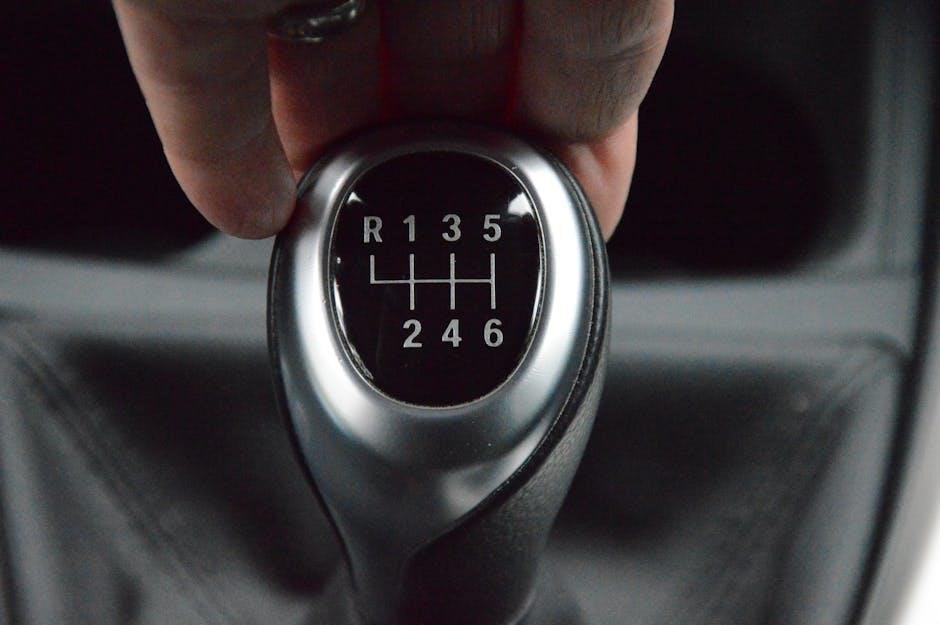
Transitioning to a manual setup requires a complete gear linkage and shifter assembly sourced from a manual Altima. This includes the shift knob, shifter base, connecting rods, and all associated hardware. The automatic transmission’s shifter mechanism is entirely different and incompatible with a manual transmission.
Careful installation is crucial to ensure precise and smooth gear changes. Proper adjustment of the linkage is essential to avoid binding or difficulty selecting gears. Inspect all components for wear and tear before installation, replacing any damaged parts. A short-throw shifter can further enhance the driving experience.
New Center Console
The original automatic Altima center console is designed around the gear selector and won’t accommodate a manual shifter. Therefore, a new center console specifically designed for a manual transmission is a necessary component of the swap. This console provides the correct opening for the shifter and maintains a factory-like appearance.
Sourcing a console from a manual Altima is the most straightforward approach. Ensure the console’s color and condition match your vehicle’s interior. Installation involves removing the old console and securing the new one in its place, connecting any necessary wiring for features like power outlets or storage lighting.
Stop Lamp & Safety Start Switch
Automatic Altimas utilize a brake-linked safety mechanism preventing starting unless in Park or Neutral. A manual swap requires replacing this with a manual-specific setup, incorporating both a stop lamp switch and a safety start switch. The stop lamp switch illuminates brake lights upon pedal depression, crucial for safety.
The safety start switch, often combined with a clutch pedal position sensor, ensures the engine only starts when the clutch pedal is fully depressed. Proper installation and wiring of these switches are vital for both functionality and vehicle safety, preventing accidental starts and ensuring compliant brake light operation.
MT Transmission Mount
The automatic and manual Altima transmissions utilize distinctly different mounting points and mount designs. A dedicated manual transmission mount is therefore essential for a successful swap. This mount securely positions the manual transmission within the chassis, absorbing vibrations and ensuring proper alignment.
Simply attempting to reuse the automatic transmission mount will result in improper support and potential damage. Sourcing a correct manual transmission mount – often from a donor vehicle or aftermarket supplier – is crucial. Correct installation, utilizing appropriate hardware, guarantees stability and minimizes unwanted noise and vibration during operation.
Clutch Pedal Assembly
Converting an automatic Altima to manual necessitates installing a complete clutch pedal assembly. This includes the pedal itself, along with the necessary bracketry and supporting hardware to securely mount it within the driver’s footwell. The automatic’s brake pedal may need modification or replacement to accommodate the clutch pedal’s presence.
Careful attention must be paid to proper alignment and secure fastening. A poorly installed clutch pedal can compromise driving safety and comfort. Sourcing a complete assembly from a manual Altima donor car is often the most straightforward approach, ensuring compatibility and ease of installation.
Master Cylinder & Drilling Template
Alongside the clutch pedal, a manual transmission swap requires installing a clutch master cylinder. This component translates pedal pressure into hydraulic force, actuating the clutch. Crucially, the Altima chassis lacks pre-drilled mounting holes for the master cylinder. Therefore, a precise drilling template is absolutely essential for correct placement.
Using the template ensures accurate hole positioning, preventing alignment issues and potential damage. Sourcing the template alongside the master cylinder from a donor vehicle or reputable supplier is highly recommended. Incorrect drilling can lead to significant complications, so meticulous attention to detail is paramount during this step.
Wiring and Electrical Considerations
Successful Altima manual swaps demand careful wiring integration, connecting the manual transmission components to the existing auto transmission harness effectively.
Auto to Manual Harness Connection
Connecting the automatic transmission harness to the manual setup requires identifying and bridging specific wires. A crucial plug, found within the auto harness’s four connectors, contains seven vital wires for the swap. These include two dark green/black striped wires, a dark green/white wire, a light green wire, a light green/black wire, a light green/orange wire, and a brown wire. Color coding can vary between 2nd generation and 97.5 wiring harnesses, so verification is key. Properly connecting these wires ensures the manual transmission functions correctly with the vehicle’s electrical system, enabling features like the reverse lights and safety interlocks.
Identifying Key Wires (Color Codes)
Accurate wire identification is paramount during the Altima manual swap. The harness connection relies on specific color codes. Dark green/black striped wires are present in pairs, while a single dark green/white wire is also essential. Further wires include light green, light green/black, and light green/orange, each playing a unique role in transmission functionality. A brown wire completes the set. Remember, color variations exist between wiring harnesses from different Altima generations (specifically 2nd gen and 97.5 models), demanding careful verification before making any connections. Incorrect wiring can lead to operational issues.
Dark Green/Black Striped Wires
The pair of dark green/black striped wires are critical components in the Altima manual transmission swap’s wiring process. These wires facilitate communication between the transmission and the vehicle’s electronic control unit. They are typically found within a seven-wire plug originating from the automatic transmission harness. Proper connection of both striped wires is essential for the manual transmission to function correctly, ensuring seamless gear selection and overall operational stability. Mismatched or disconnected wires can result in transmission errors or a complete failure to engage gears, hindering the swap’s success.
Dark Green/White Wire
The dark green/white wire plays a vital role in the Nissan Altima manual transmission swap, specifically concerning the vehicle’s safety and operational features. This single wire, found within the seven-wire plug from the automatic harness, is directly linked to the operation of the stop lamp switch and the safety start switch. Correctly connecting this wire ensures that the vehicle only starts when the clutch pedal is depressed and that the brake lights function as intended. Failure to properly connect this wire can lead to starting issues or malfunctioning brake lights, compromising vehicle safety.
Light Green Wire
Within the intricate wiring of a Nissan Altima manual transmission swap, the light green wire is a crucial component for proper functionality. This wire, originating from the seven-wire plug of the original automatic transmission harness, is directly associated with the transmission range sensor signal. Successfully connecting this wire to its corresponding counterpart in the manual transmission setup ensures the ECU accurately interprets gear selection. Incorrect connection or a faulty wire can result in inaccurate speed readings or issues with the vehicle’s overall performance, highlighting its importance during the swap process.
Light Green/Black Wire
During a Nissan Altima manual transmission swap, the light green wire with a black stripe plays a vital role in the vehicle’s electrical system. This wire, found within the seven-wire plug originating from the automatic transmission harness, is connected to the inhibitor switch circuit. Proper connection to the manual transmission setup is essential for enabling the safety start interlock and ensuring the vehicle only starts when in neutral or park. Failure to correctly connect this wire can prevent the vehicle from starting or compromise safety features, making it a critical step in the conversion.
Light Green/Orange Wire
The light green wire featuring an orange stripe is another crucial connection point during a Nissan Altima manual transmission swap. This wire, part of the seven-wire plug from the automatic harness, is directly linked to the backup light circuit. Connecting this wire correctly to the corresponding circuit in the manual transmission setup ensures the backup lights function as intended when the vehicle is shifted into reverse. Incorrect wiring can lead to malfunctioning backup lights, posing a safety hazard and potentially violating vehicle inspection requirements. Careful attention to this connection is paramount.
Brown Wire
The brown wire, completing the set of seven wires within the crucial plug from the automatic transmission harness, plays a vital role in the manual swap process. This wire is specifically associated with the transmission range sensor signal. Proper connection of the brown wire to its corresponding counterpart in the manual transmission system is essential for the ECU to accurately interpret gear selection. Failure to connect this wire correctly can result in various issues, including incorrect speedometer readings or the inability to start the vehicle due to a perceived safety interlock.
Installation Process & Considerations
Successfully installing a manual transmission requires meticulous attention to detail, ensuring proper mounting, axle compatibility, and addressing potential wiring challenges during the swap.
Transmission Mounting and Bolt Patterns
The good news is that the manual transmission generally bolts right up to the engine, particularly when swapping into Altima models sharing the same front end design, like those from 2007-2012. This simplifies a significant portion of the installation process. However, careful consideration must be given to the transmission mount itself. You’ll need a specific manual transmission mount, as the automatic transmission mount is incompatible. Ensuring correct alignment is crucial to avoid vibrations and stress on the drivetrain. Double-check bolt torque specifications to prevent loosening during operation, guaranteeing a secure and reliable connection.
Axle Compatibility and Differences
Sourcing the correct axles is arguably the most expensive part of an Altima manual transmission swap. Manual transmission (MT) axles are significantly different from their automatic transmission (AT) counterparts and are not interchangeable. These MT axles can be difficult to find and often command a high price. The length and spline count differ, necessitating the use of axles specifically designed for a manual transmission Altima. Thorough research and diligent parts sourcing are essential. Be prepared for a substantial financial investment when acquiring these crucial components for a successful and functional swap.
Potential Challenges and Solutions
A Nissan Altima manual swap presents several hurdles. Numerous wires must be disconnected from the automatic shifter, demanding patience and meticulous labeling. Finding a complete manual transmission setup, including the ECU and harnesses, can be time-consuming. Incorrect wiring connections can lead to operational issues, requiring careful attention to color codes. The clutch pedal installation necessitates drilling, demanding precision to avoid damaging the vehicle. Solutions involve detailed wiring diagrams, online community support, and careful component sourcing. Proper planning and methodical execution are key to overcoming these challenges.
Resources and Further Information
Online Nissan forums and communities, like The Nissan Club and Reddit’s r/Nissan, provide invaluable support, parts lists, and shared experiences for this swap.
Online Forums and Communities
Dedicated online platforms are crucial resources for anyone considering a Nissan Altima manual transmission swap. The Nissan Club hosts a comprehensive “Big Swap FAQD” thread, offering detailed guidance and troubleshooting advice from experienced enthusiasts. Reddit’s r/Nissan community also provides a space for sharing knowledge, asking questions, and finding support throughout the process.
These forums often contain diagrams, like one shared by “YouCantCatchMe,” illustrating essential wiring connections. Members frequently share parts lists and offer assistance with locating hard-to-find components. Engaging with these communities can significantly streamline the swap and prevent costly mistakes, fostering a collaborative learning environment for Altima owners.
Parts Sourcing and Availability
Sourcing the necessary components for a Nissan Altima manual transmission swap can be challenging, with some parts proving particularly difficult to find. MT axles are frequently cited as a significant expense and availability hurdle. Locating a compatible manual transaxle, ECU, and associated harnesses (engine, main body, and dash) requires diligent searching through online marketplaces and salvage yards.
Essential items like the clutch and flywheel, MT starter, and ABS control unit also need to be sourced. Forums often reveal leads on parts availability, and networking within the Altima community can uncover hidden resources. Budgeting adequately for these components is crucial for a successful swap.